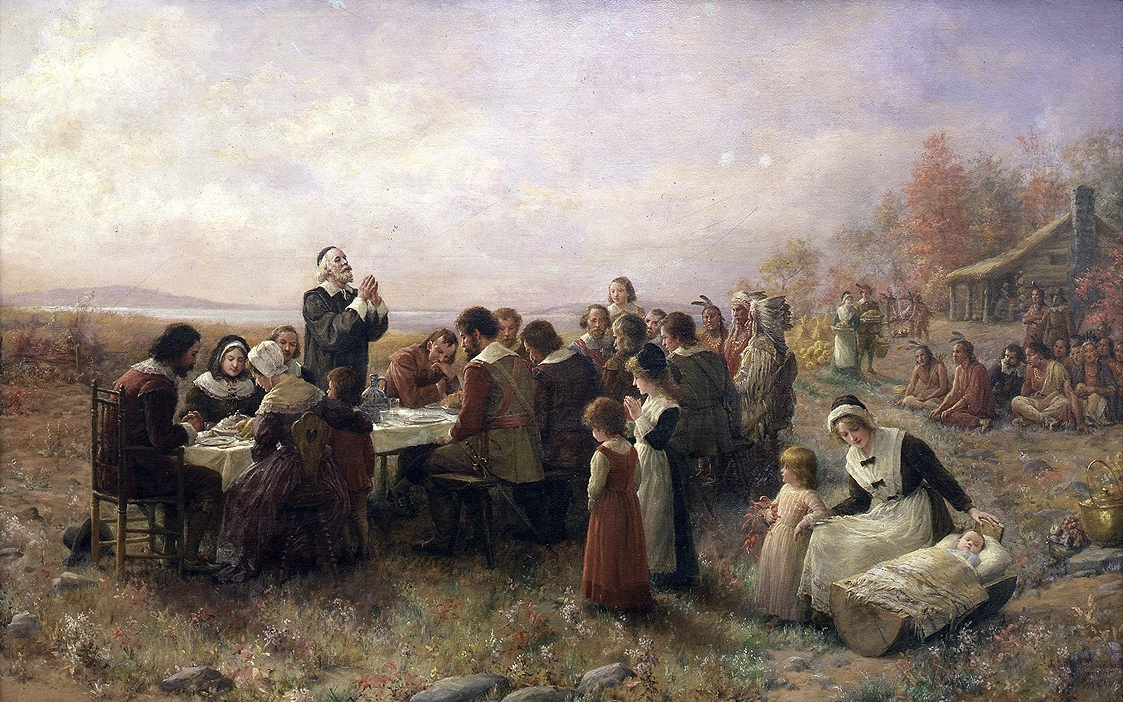
Real sources. Where? When?
Students study the picture, look for clues, drop a pin on the map and pick the year.

Passengers on a ship anchored inside a hooked sandy cape on North America's Atlantic coast sign a pact to govern themselves before landing.
A later artist’s picture of the signing, printed in 1932. Where was it, and when?
Show the answer
Provincetown Harbor, at the tip of Cape Cod, Massachusetts, USA, on 11 November 1620 (21 November in today’s calendar). Shoals and winds had turned the Mayflower back from the lands the colonists had permission to settle, so 41 men aboard signed an agreement to make and obey their own laws. Women did not sign. The ship stayed here about five weeks before the colonists chose Plymouth. History: they anchored and first went ashore at Cape Cod. Legend: that they first stepped ashore on Plymouth Rock, a boulder first named as their landing place in 1741.
Play
Five historical challenges, from the 1621 harvest gathering to the first National Day of Mourning.
Discuss
Project the 💬 Discussion starter from your leaderboard.
Write
Printable response sheet: what is history, what is legend, and the evidence, with a rubric.
Reflect
One thing about Thanksgiving they now think is legend, and why.
A note on teaching this respectfully
Teaching note: the Wampanoag are a living people, not a legend. The Mashpee Wampanoag on Cape Cod and the Aquinnah Wampanoag on Martha’s Vineyard are their nations today. The Great Dying, the epidemic that killed many of their people just before the colonists came, and the National Day of Mourning, held in Plymouth every Thanksgiving since 1970, are real history, not legend. Give the Wampanoag side of the story alongside the colonists’ account, and use the names Ousamequin (Massasoit, his title as great leader) and Tisquantum (Squanto). For some Native students and families Thanksgiving is a day of mourning: invite students to share, never require it.
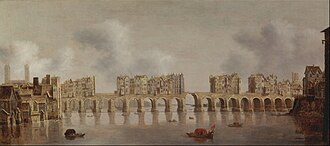

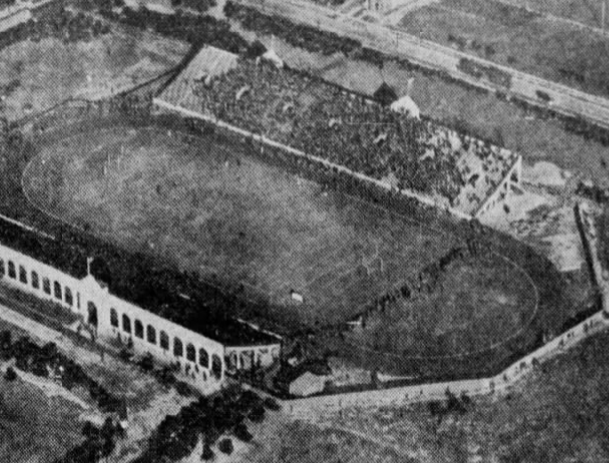
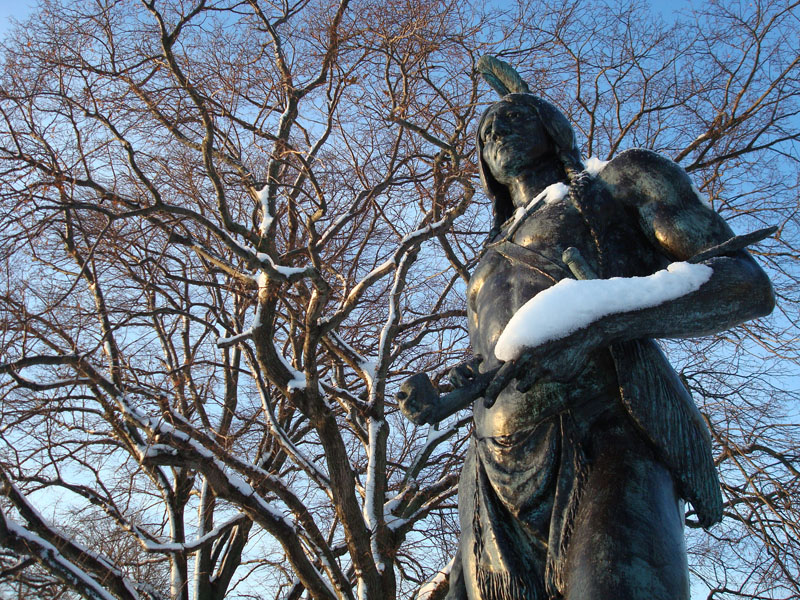
Images (Wikimedia Commons): Claude de Jongh, Yale Center for British Art · Public domain · Tr!sie · CC BY-SA 3.0 · Unknown photographer, The Detroit Free Press (1929) · Public domain · Greg Kullberg · CC BY-SA 3.0. At the top of the page: Jennie Augusta Brownscombe, The First Thanksgiving at Plymouth (1914) · Public domain, a painting made almost 300 years after the event. Your class plays 5 of the pack’s 12 events.
History or legend? Show the evidence
A ready-to-use worksheet with questions and a simple rubric. Students sort what is history from what is legend, and say whose side of the story the sources tell.
See the full worksheet
| Score | What it looks like |
|---|---|
| 4 | A specific clue for both events, plus clear evidence for what is history and what is legend. |
| 3 | Clues for both events; history and legend are named, but the evidence is general. |
| 2 | A clue for only one event, or no evidence given. |
| 1 | Answers without clues or evidence from today. |
Prints from your dashboard once the lesson is set up. Free: holiday packs are free for every teacher.
History or legend?
Each round’s answer says what the evidence shows, and what grew up around it later. Three from the pack:
- Legend The 1621 gathering was the first Thanksgiving. History Nobody called it that until a writer did in 1841.
- Legend The colonists found an empty wilderness. History The coast looked empty because so many of its people had just died in an epidemic.
- Legend Tisquantum was a friendly helper who simply appeared. History He spoke English because he had been kidnapped, sold in Spain and had lived in London for years.
Preview the discussion questions
- Which clue made you choose? Turn and talk.
- Only one eyewitness wrote about the 1621 gathering. What does that leave out, and whose side of the story is missing?
- Since 1970 some people mark Thanksgiving as a National Day of Mourning. Why might one day mean very different things to different people?
Ready-to-copy student directions, automatically personalised with your class code and teaching date.